
T H E P A I N T E R O F M A S K S
D E R R I C K E R A S M U S (1924- 2024)
5 Sep – 8 Oct 2025
Derrick Erasmus (born 1934 in Balfour North, Transvaal, South Africa) was drawn to making art for as long as he can remember. As a boy, he ignored the slate his mother gave him and spent hours drawing in the gravel with his fingers instead. That natural creativity was encouraged early on when he studied under celebrated artist Walter Battiss at Pretoria Boys High School—an experience that sparked a lifelong passion for the visual arts.
Erasmus pursued formal art education at Wits Technikon and Port Elizabeth Technikon, earning his Art Teachers Certificate from Wits Technical College in 1956. His academic journey culminated in a National Higher Diploma in Art and Design (1982), followed by a Master’s Diploma in Technology, Art and Design in 1985, both from the Port Elizabeth Technikon. From 1970 to 1994, Erasmus taught at the School of Art and Design at the Port Elizabeth Technikon, where he generously shared his knowledge, passion, and playful spirit—leaving a lasting impact on his students.
Upon completing his studies, he relocated to London for twelve years. There, his love of nature found expression through scientific illustration, working with both the Natural History Museum and the Royal Botanical Kew Gardens. During this period, Erasmus began experimenting with colour theory and geometric abstraction—an evolution that continued to inform his practice. Derrick exhibited widely throughout his career, with his work held in significant public and private collections both in South Africa and internationally.
Derrick is best known for his lifelong fascination with masks. From around 1960, masks became his main subject—something he returned to again and again. Some of his masks were inspired by people, animals, plants, or machines. Others started from something much looser—a scribble, a splatter of ink, a random shape on the page. Depending on the piece, his process could be carefully planned or completely spontaneous. But no matter how they began, each mask took on a life of its own. Through them, Erasmus explored identity, transformation, and the line between the real and the imagined—always with a sense of curiosity and invention that defined his work. Humour and playfulness were at the heart of Derrick’s work. As he once said, “I would hate to be an artist whose work is just gloom and doom and more gloom and doom.” Inspired by artists like Paul Klee and Henri Matisse, Erasmus brought a sense of joy, colour, and imagination into everything he created. He developed a wide range of mask-like characters, some drawn with bold geometric shapes and flat, striking colours, others more playful and cartoon-like, sketched in free, flowing lines. While these figures might seem randomly placed at first glance, they’re carefully arranged within subtle patterns that guide the eye across the canvas. Erasmus used masks as a powerful means to reinterpret and transform reality. Through them, he reflected on the human experience—at times imitating its complexities, at other times gently satirising them with wit and charm. His work stands as a vibrant celebration of colour, imagination, and the joyful, often whimsical spirit that defines the lighter side of being human.

Jazzemur Blue
Medium: Acrylic on canvas Price: R7 800
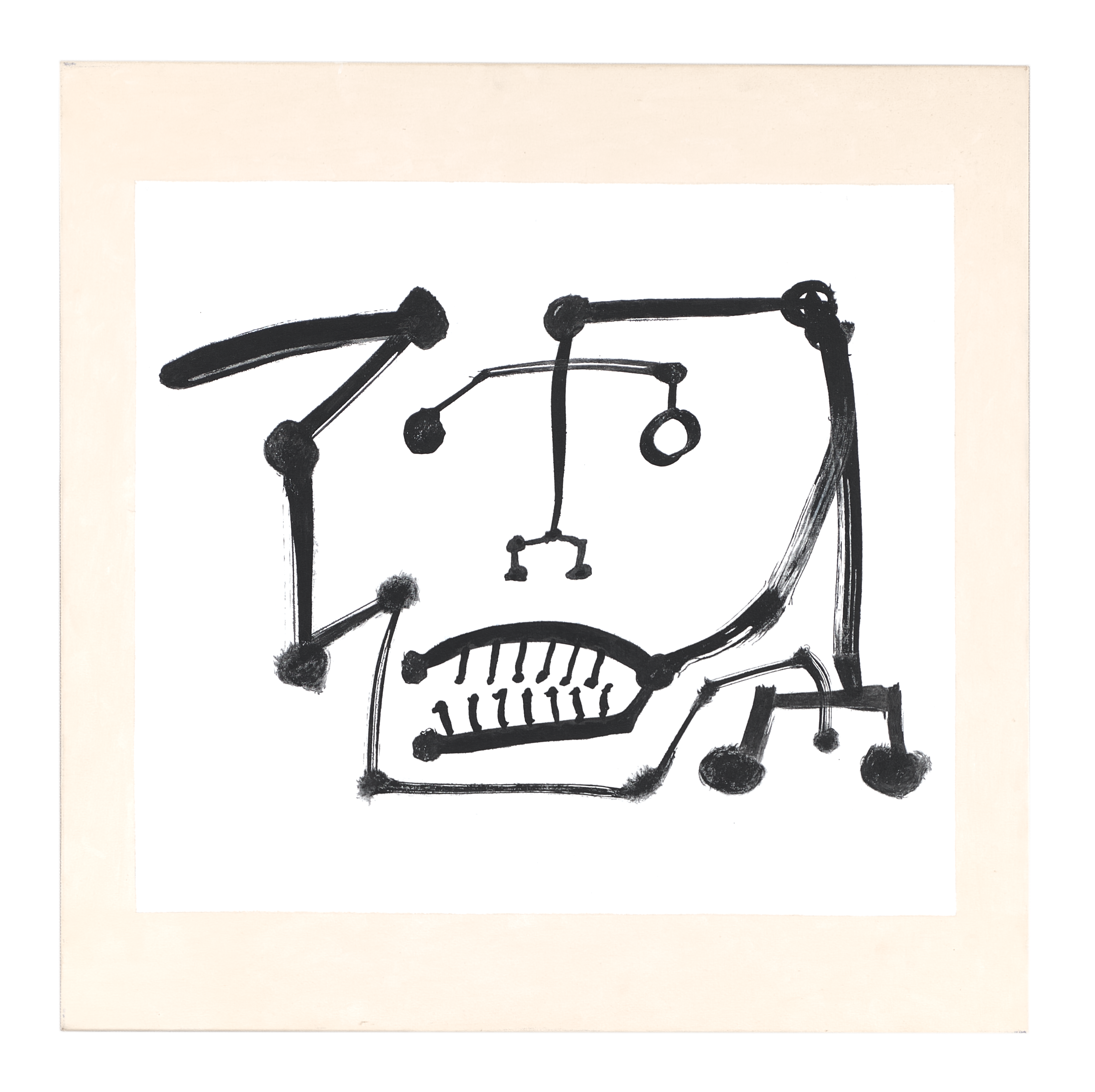
Mechanical Jaw Mask, 2010
Medium: Acrylic on canvas Price: R18 200
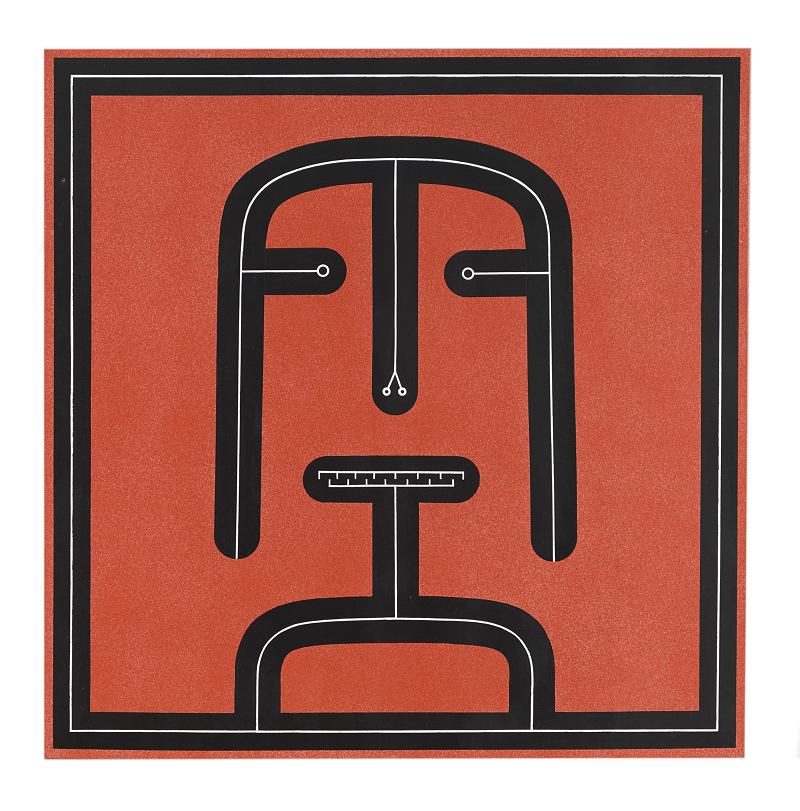
Redfield Mask, 2010
Medium: Acrylic on canvas Price: R18 200
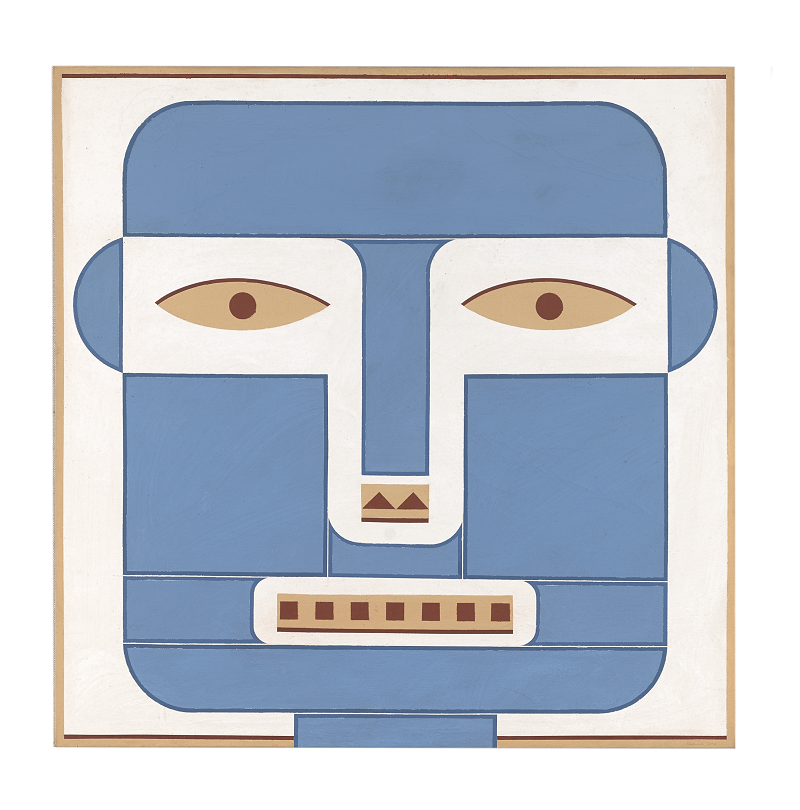
Interlocking Mask II
Medium: Acrylic on canvas Price: R60 000
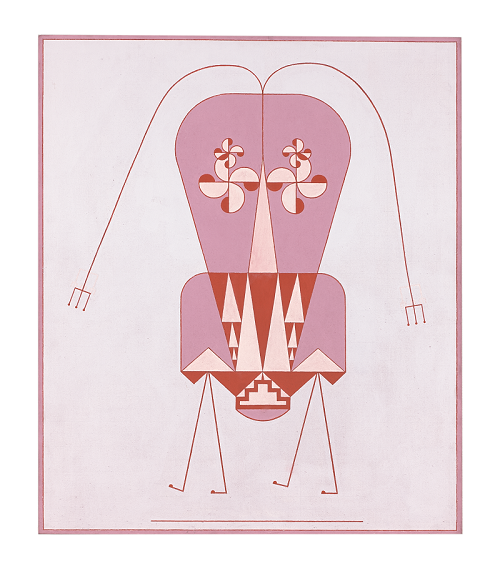
Polly Peepers, 1996
Medium: Acrylic on canvas Price: R45 000
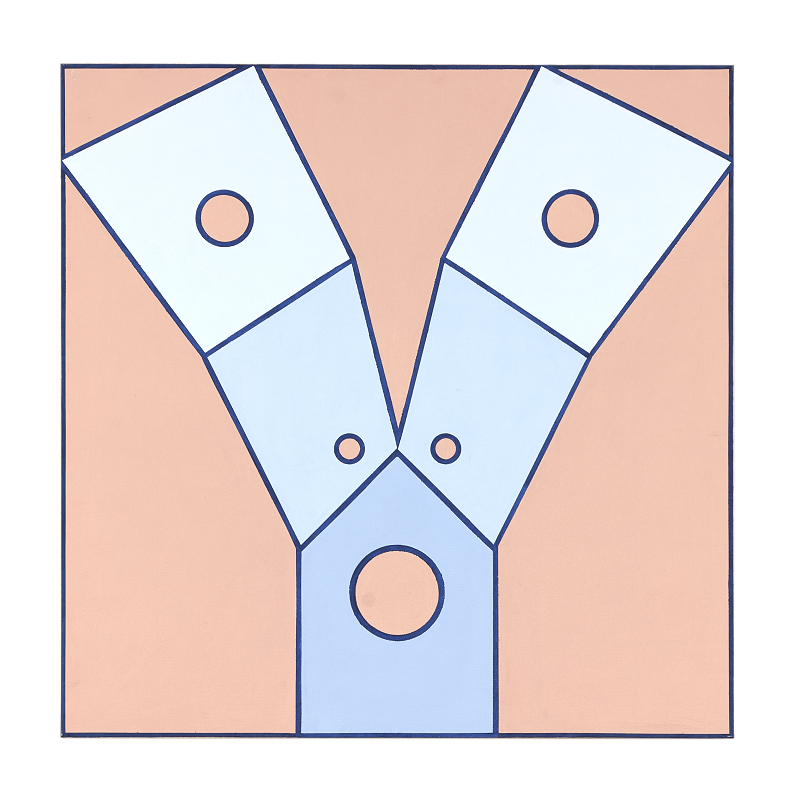
Bifurcating Mask, 2019
Medium: Acrylic on canvas Not for sale
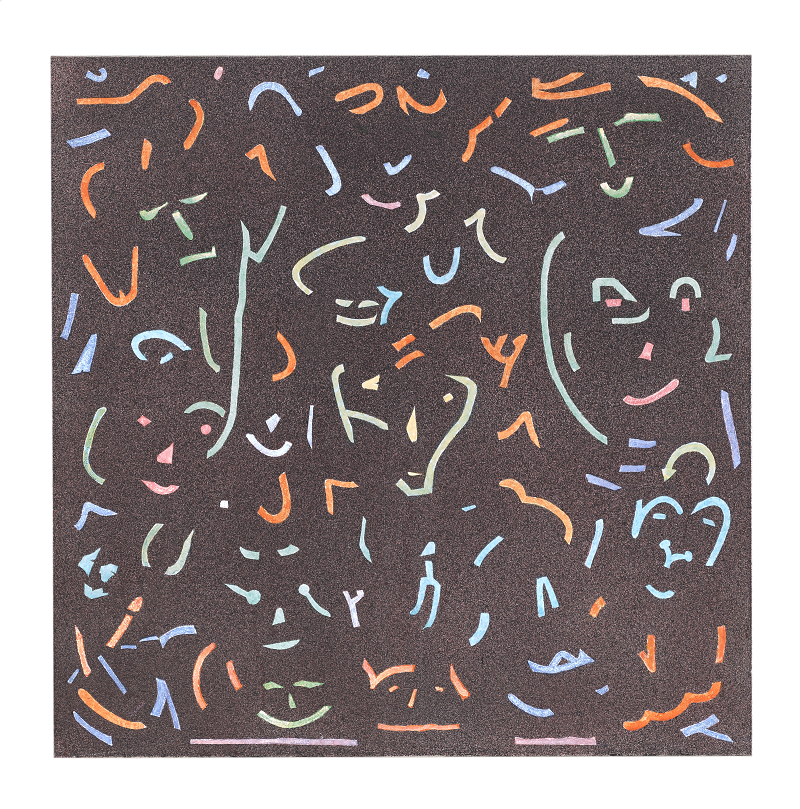
Moondance Masks, 2019
Medium: Acrylic on canvas Price: R15 000
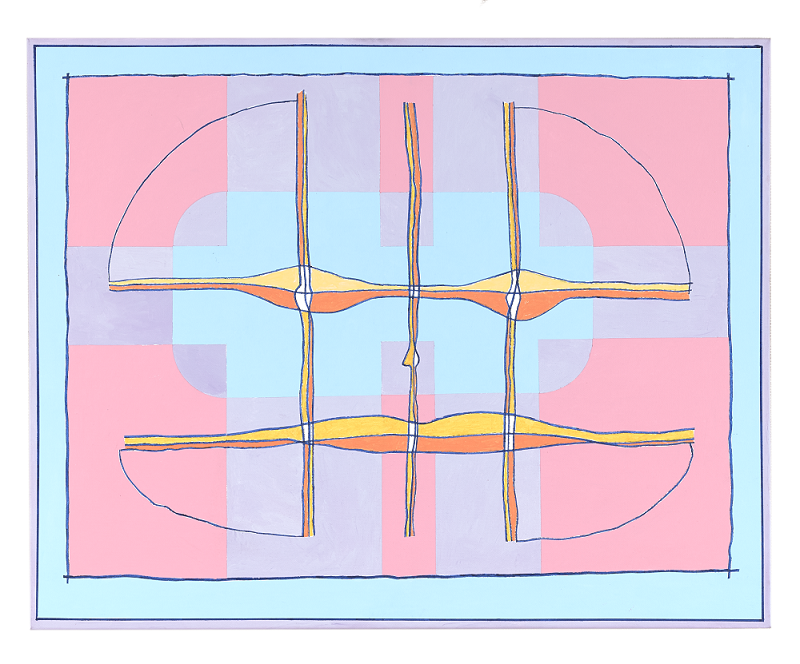
Morgans Bay Mask, 2022
Medium: Acrylic on canvas Not for sale
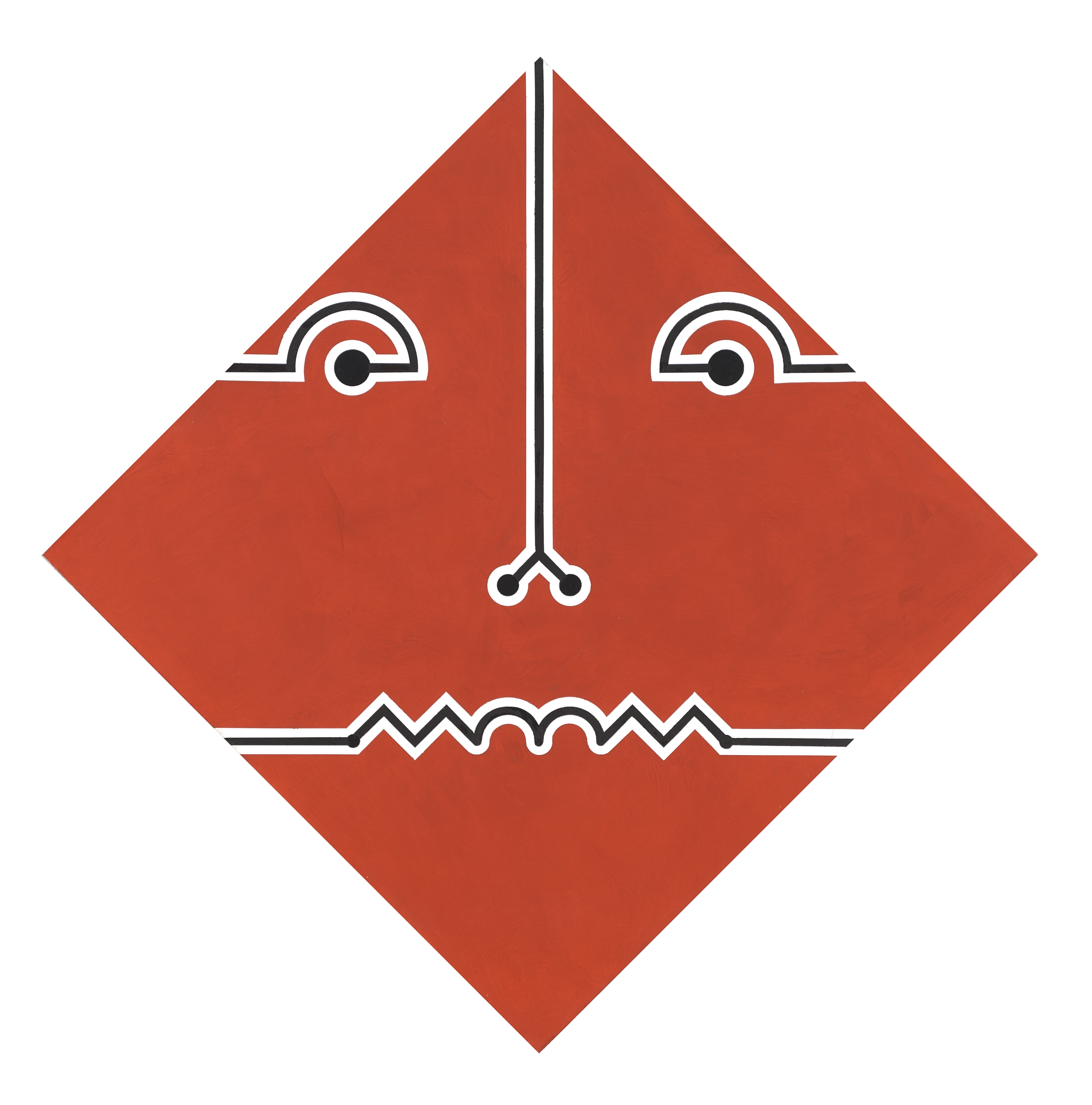
Red Kite Mask
Medium: Acrylic on canvas Price: 18 200
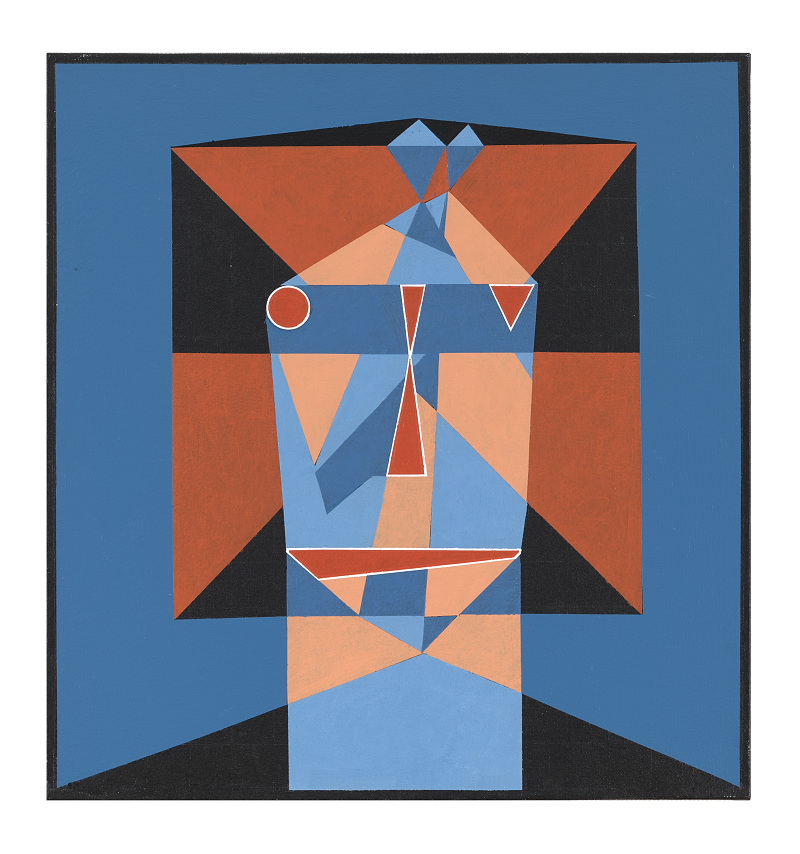
Little Sentry
Medium: Acrylic on canvas Price: R8 500
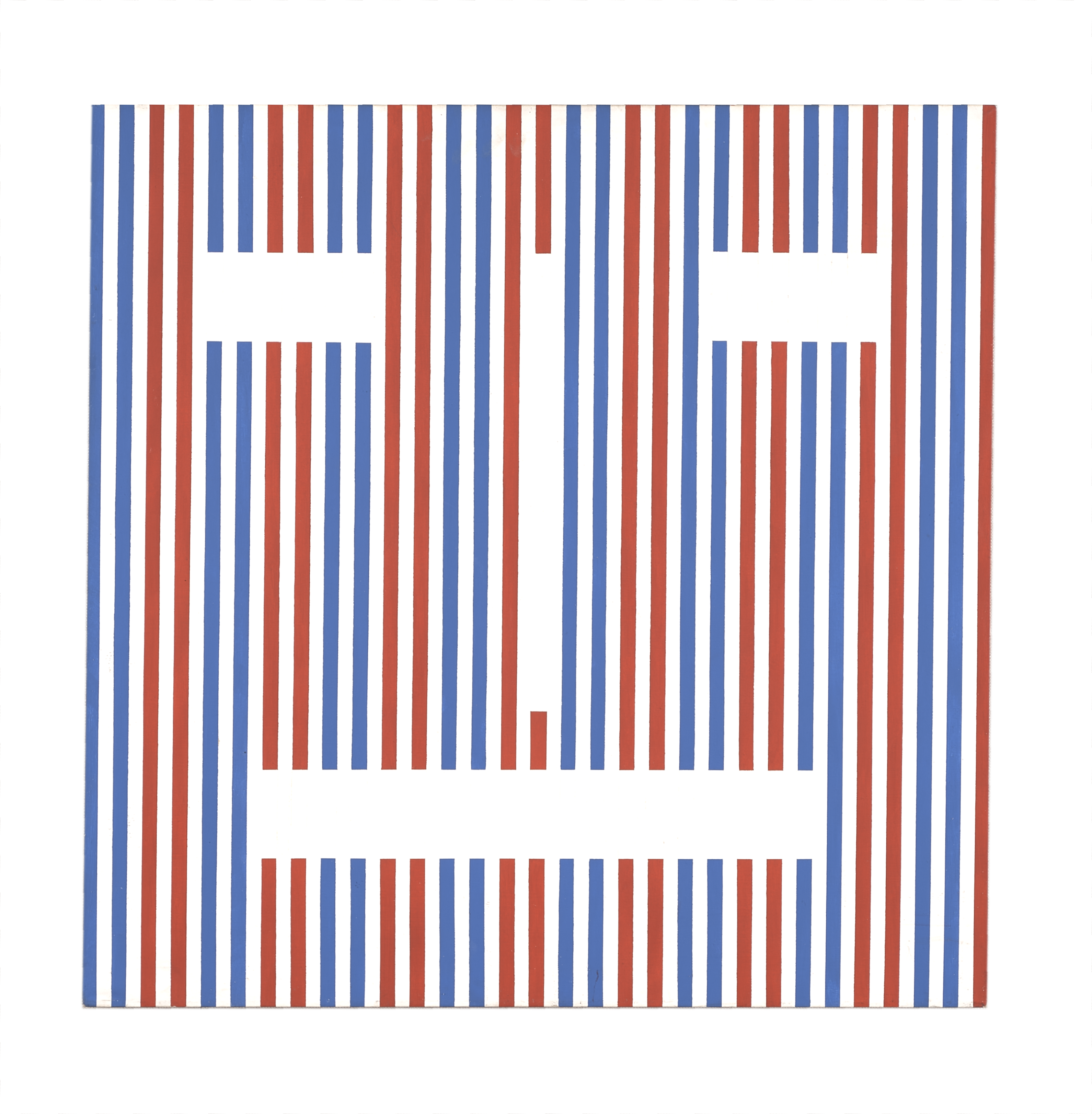
Hypnotic Mask
Medium: Acrylic on canvas Price: R19 200
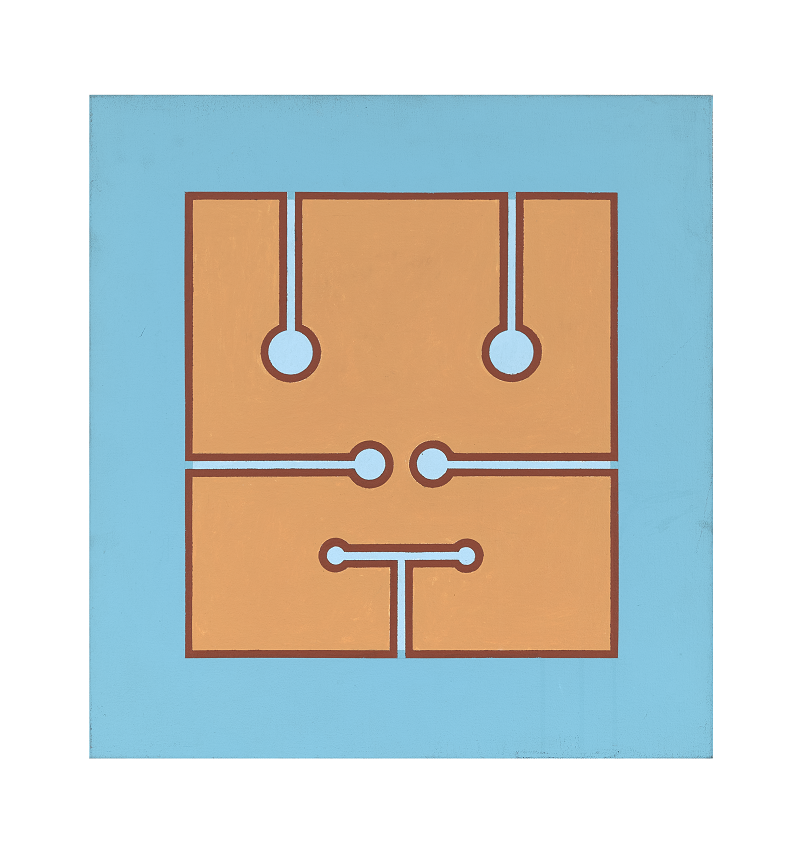
Analogical Invariants (Family, No 4)
Medium: Acrylic on canvas Price: R7 500